Football Pressing Resistance Through Goalkeeper Involvement: A Practical Review
Your team is one pass away from escaping a coordinated press — and that pass is usually backward. The center-backs are squeezed, the holding midfielder is marked, and the only safe option is a long ball that hands possession back. The solution might already be standing behind them. But using the goalkeeper as an extra outfield player is not a simple tweak. It changes the entire user journey of the build-up.
In practical terms, the preliminary conclusion is direct: goalkeeper involvement can raise pressing resistance noticeably, but it only works when the team treats it as a designed system rather than a panic release valve. The passing angles, the goalkeeper’s positioning, and the triggers for going long all need to be defined before the first goal kick. Otherwise, the extra option becomes an extra risk.
How We Assessed the Experience
To evaluate this tactical approach from a user-experience perspective, we looked at the friction points that coaches and players actually encounter. The table below is an editorial heuristic — a set of criteria to weigh — not a measured performance dataset. Use it as a starting point for your own analysis.
| Criterion | Editorial score (out of 5) | Why it matters |
|---|---|---|
| Decision-making speed | 4 | The keeper must read the press before receiving the ball, not after. |
| Positioning structure | 4 | Angles determine whether the first pass is progressive or sideways. |
| Passing range under pressure | 3 | Short and medium ranges matter more than a spectacular 60-meter switch. |
| Risk vs. reward balance | 3 | The reward is numerical superiority; the risk is a goal conceded from a misplaced pass. |
| Implementation curve | 2 | Teaching keepers to play as outfield players takes weeks, not sessions. |
| In-game adaptability | 3 | Teams need a clear trigger to abandon the build-up when the press becomes too aggressive. |
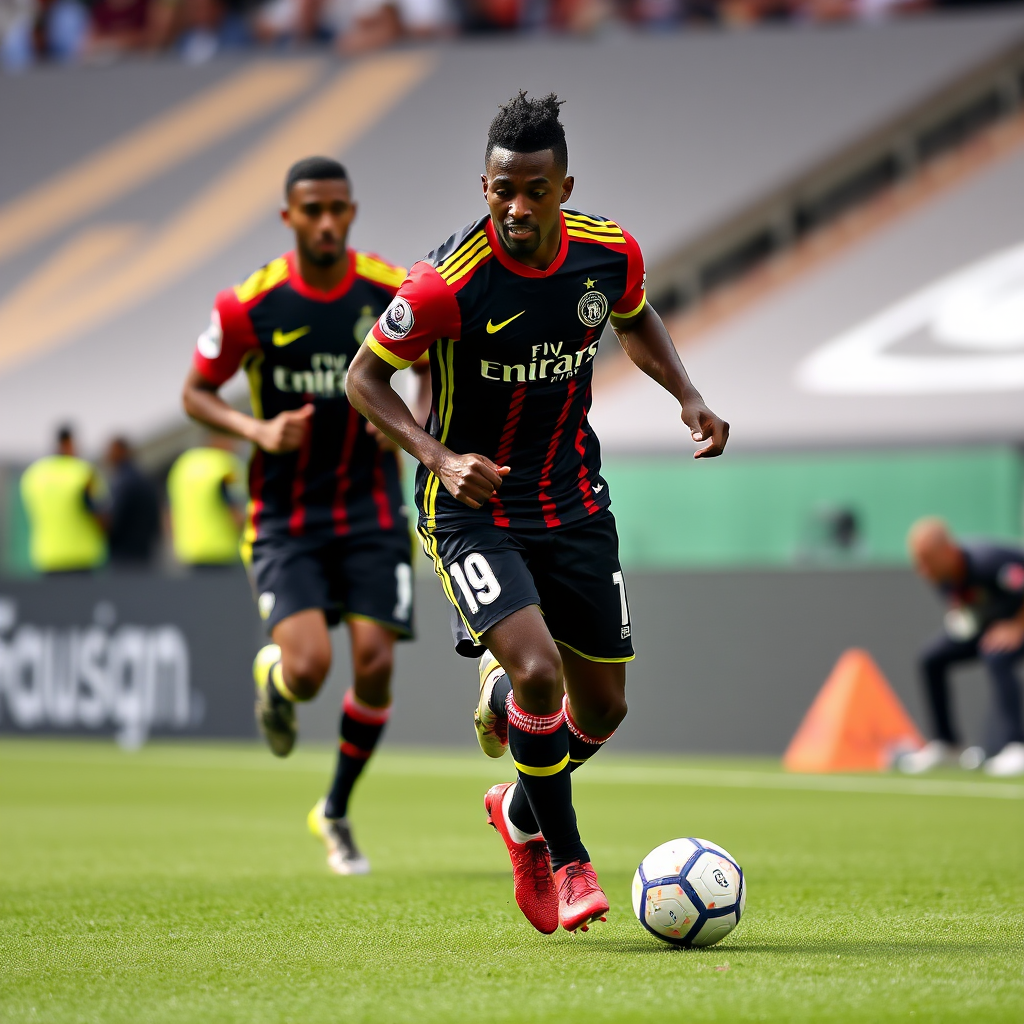
 Hình minh hoạ: MANCLUB
Decision-Making Speed: The First Look Decides Everything
In a traditional build-up, the center-back receives the ball and then scans. With the goalkeeper involved, the scan must happen before the pass arrives. The keeper needs to know where the first pressing line is, which passing lane is open, and where the opponent’s striker is likely to run. That is a heavy cognitive load for a player who is used to having time.
The friction point here is not technical — most professional keepers are comfortable passing. It is the speed of the decision under pressure. When the keeper receives the ball and hesitates, the pressing forward closes the angle and the whole sequence collapses. The best implementations give the keeper a simple rule: if the first option is covered, play the safe pass back to the center-back rather than forcing a creative one.

Positioning Structure: Angles Over Distance
The goalkeeper’s positioning during the build-up is what creates the extra man. By stepping slightly to the side of the center-backs, the keeper forms a triangle that the opposition’s first line cannot cover without leaving a central lane open. This is where the experience of the team changes: players suddenly have a free option behind the press.
However, this structure only works if the outfield players hold their width and depth. If the full-backs push too high and the center-backs stay too narrow, the triangle becomes flat and the press can squeeze it easily. The positioning is a collective process, not a goalkeeper solo act.
Passing Range: Short Is Safe, Medium Is Progressive
A goalkeeper does not need to be a playmaker to improve pressing resistance. Short passes to the center-backs and medium passes into the feet of a dropping midfielder are the highest-value tools. The long diagonal is a useful escape hatch, but relying on it turns the build-up into a lottery.
What matters more than range is the keeper’s ability to pass with the correct weight and timing. A pass that arrives slightly behind the midfielder forces the receiver to slow down and gives the press time to reorganize. This is a subtle usability issue: the pass must invite the next action, not just avoid danger.

Risk vs. Reward: The Hidden Cost of the Extra Man
Adding the goalkeeper to the build-up creates numerical superiority, but it also creates a new vulnerability. If the press is well-coordinated and the keeper receives the ball under pressure, a mistake can lead to an empty net. The reward of breaking the press is a free route into the opponent’s half; the cost of failure is a near-certain goal.
This is why the risk calibration matters more than the passing ability. Teams that use this approach successfully define clear triggers: when the opponent commits more than two players to the first line, the keeper goes long; when the press is passive, the keeper joins the build-up. Without these triggers, the team is essentially gambling every time the ball goes back.
Implementation Curve: The Real Friction Point
The biggest challenge is not tactical understanding — it is habit. Outfield players are used to the keeper staying on the line, and keepers are used to having time. Changing both expectations requires repeated drills where the press is live and the consequences are real. A casual rondo does not replicate the pressure of a forward sprinting at the keeper.
Coaches should expect a regression phase. Early adoption often produces worse results before they improve, because the team is still learning when to use the option and when to reject it. This is a process, not a patch.
Strengths and Limitations
Strengths
- Creates a genuine numerical advantage against a two-man press.
- Reduces the need for risky long balls in the early phases.
- Forces the opponent to make a choice: press higher or drop into a mid-block.
- Improves the team’s overall composure when the press is broken.
Limitations
- High risk of conceding from a single misplaced pass.
- Requires a goalkeeper with above-average passing and composure.
- Demands significant training time that could be spent on other phases.
- Can become predictable if the team always plays short.
Who Should Consider This Approach
This style fits teams that already have a structured build-up and want to add another layer. It is less suitable for teams that struggle with basic passing under pressure or that lack a keeper comfortable with the ball. For coaches who want to study how top teams organize their first line, a club-data platform like MANCLUB can help you track lineups and formation trends — but verify the data source before using it for tactical decisions.
Youth teams can also benefit, but the focus should be on decision-making rather than results. In a developmental context, the occasional mistake is part of the learning curve.
Pre-Use Checklist
- Confirm the goalkeeper can pass accurately with both feet under pressure.
- Define the exact trigger for joining the build-up and the exact trigger for going long.
- Train the center-backs to split wide and create passing angles.
- Rehearse the worst-case scenario: a misplaced pass and a counter-attack.
- Start with friendly matches or low-stakes games before using it in competitive fixtures.
Frequently Asked Questions
Does goalkeeper involvement work against any pressing system?
It works best against a two-man press that can be outnumbered. Against a three-man front line, the numerical advantage is smaller and the risk increases.
How long does it take to implement?
The timeline depends on the starting level of the players. A reasonable estimate is several weeks of dedicated training, with visible improvement only after the team has experienced live pressure in matches.
Is this approach only for professional teams?
No, but the risk profile changes at lower levels. Amateur keepers may not have the passing accuracy, so the coach should adapt the rules and accept a higher error rate.